Blog›Yoga
Doing an Asana vs Being in an Asana: Key Differences
Sakshi Gore
SEO content writer
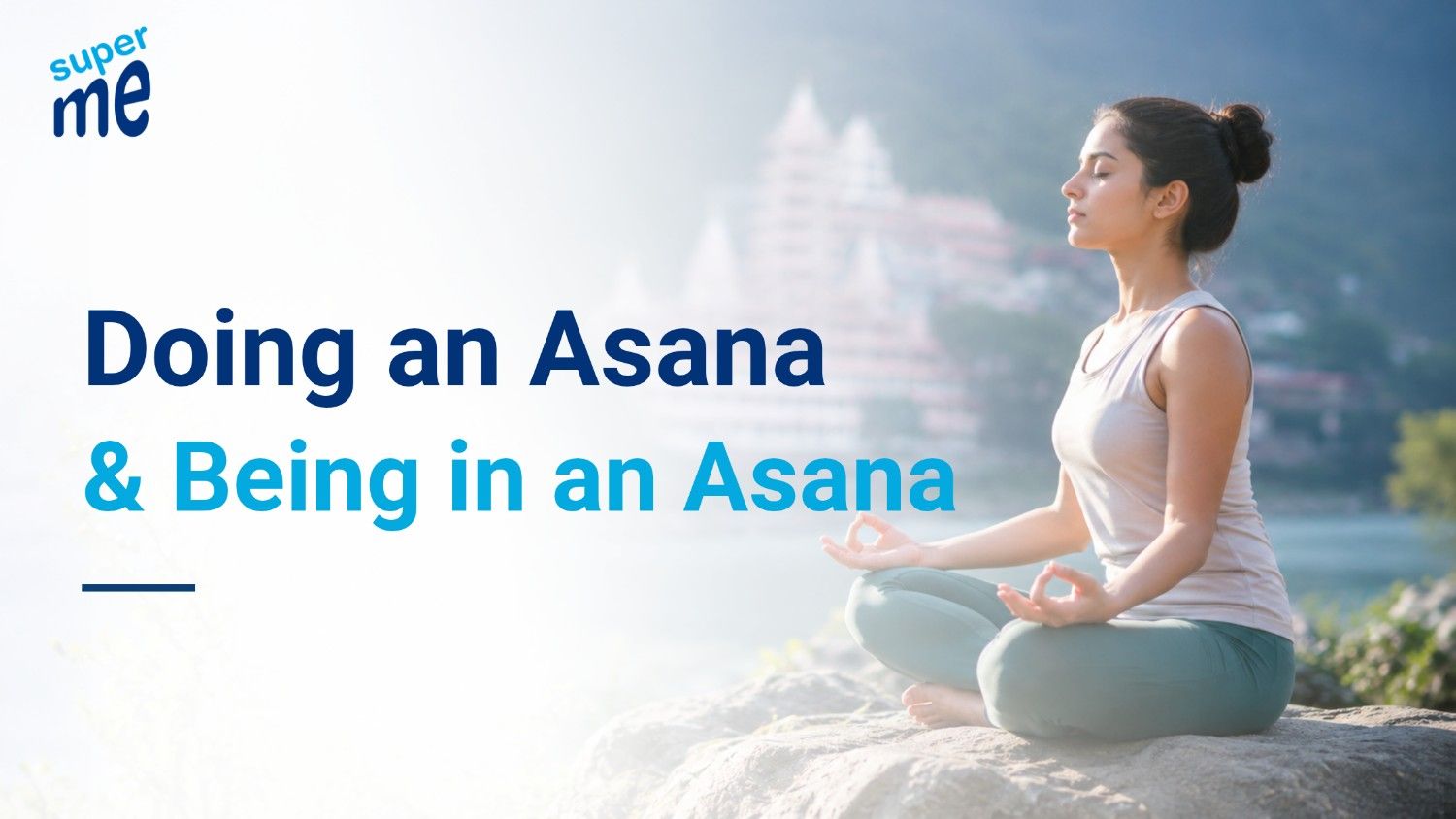
Do you know that doing an asana and being in an asana are two different things? Doing an asana involves physically getting into a yoga pose, while being in an asana means holding the posture with awareness, focusing on your breathing and understanding how your body feels. This is an important part of a mindful yoga practice. Let me explain the difference.
What Is the Difference Between Doing an Asana and Being in an Asana?
We always say, "I do yoga" or "I do asanas." But have you ever wondered whether performing a yoga pose and actually being present in that pose are two different things?
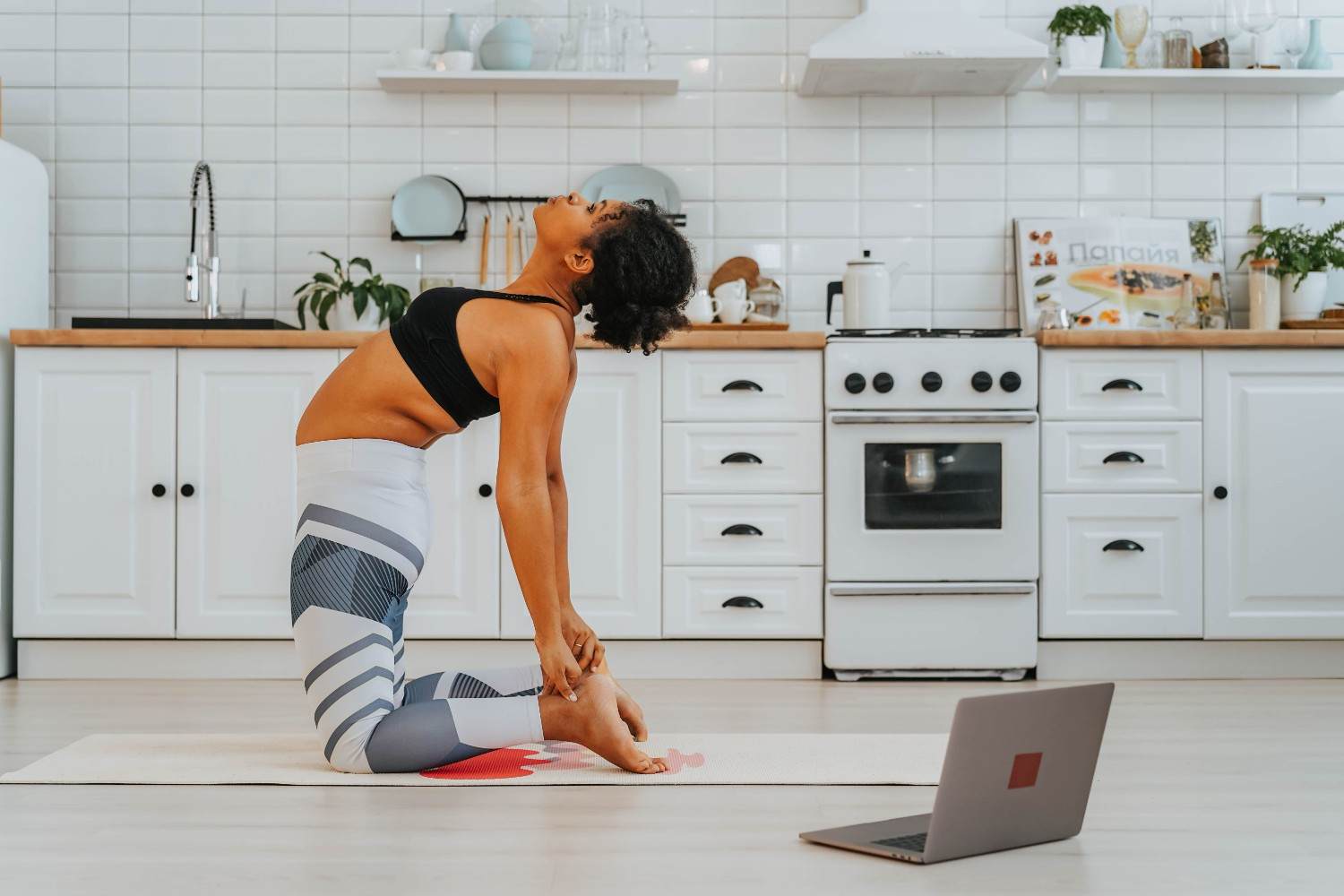
Let's understand this with an example.
1. Doing an Asana
Doing an asana is about getting into the correct position for a particular yoga pose. It involves understanding how to position your hands, legs and body while performing an asana.
For example, when practising Ardha Matsyendrasana (Half Lord of the Fishes Pose), we twist our trunk and position our hands and legs accordingly. This is the physical movement involved in performing the pose.
2. Being in an Asana
Being in an asana is about more than simply taking the position. It involves maintaining awareness of your breath, feeling the stretch and paying attention to your body while holding the pose.
For example, when you take the Half Lord of the Fishes Pose and hold it for a few seconds, you become more aware of the twist in your back, the engagement of your core and the stretch you experience in different parts of your body.
Here's a simple comparison to understand the difference:
| Doing an Asana | Being in an Asana |
|---|---|
| Getting into a yoga position | Staying in the yoga position |
| Focusing on physical movements | Focusing on body awareness |
| Positioning your hands, legs and body | Feeling the stretch and body engagement |
| Moving from one pose to another | Maintaining awareness of your breathing |
| Performing the physical action | Practising with focus and awareness |
This is where a mindful yoga practice becomes important.
The idea is not just to get into a position and move on to the next one. It is about staying in the posture for a reasonable amount of time, according to what your body allows, while maintaining awareness of your breathing.
That is what makes your yoga practice more complete. Of course, regular practice is equally important. We cannot practise an asana just once and expect lasting benefits. As we all know, good things take time!
How Does a Mindful Yoga Practice Help You Connect With Your Body?
I have been practising yoga for around 10 years now, and even today, whenever I perform an asana or spend time practising it, I feel satisfied with myself.
I would also like to mention another important aspect of yoga, which is meditation.
Whenever it is not possible to perform asanas, I make sure I practise a few pranayama exercises every day before going to bed.
I have personally noticed an improvement in my sleep quality through this routine. I have also encouraged my husband to practise pranayama instead of spending time on his mobile phone before bed.
Initially, he was reluctant and would practise for only a short time. But after experiencing the benefits himself, he gradually started practising it regularly on his own.
Also Read:
Yoga and Pranayama: Make Them Part of Your Daily Routine
If we want to be happy and take care of ourselves, we must learn to respect our own well-being.
Yoga and pranayama or meditation go hand in hand. Both deserve a place in our daily routine.
Instead of spending all our free time with gadgets, we can dedicate even a little time to ourselves, our breathing and our yoga practice.
Remember, there is a difference between simply doing an asana and truly being in an asana. The real experience comes when we bring together physical movement, breath awareness, focus and consistency.
Frequently Asked Questions
Sakshi Gore
SEO content writer
Sakshi Gore is an SEO content writer who focuses on creating informative, engaging and reader-friendly content. She specialises in simplifying complex topics and presenting useful information in a clear and accessible way. Her approach combines content quality, audience relevance and SEO best practices to create meaningful and valuable content.
LinkedIn →