Blog›Yoga
7 Lower Back Stretches to Relieve Back Pain
Atul Mishra
Yoga Teacher
Lower back pain is one of the most common problems for those who used to sit or stand a lot during the day, affecting millions globally. Research shows that lower back stretches, yoga asana, and stretching practices are safe, effective, and non-pharmacological approaches to managing chronic low back pain and daily back strains.
A 2026 meta-analysis found yoga improved physical function and emotional well-being compared to standard exercise programs. Another systematic review confirmed yoga significantly reduced pain, improve flexibility, increase inner strength and disability in the short to intermediate term compared to non-exercise care.
7 Lower Back Stretches Stretches to Practice at Home
Many yoga asanas are beneficial in chronic back pain only if practiced with correct alignments and with proper guidance.
1. Knee to Chest Stretch (Half Wind Release Pose)
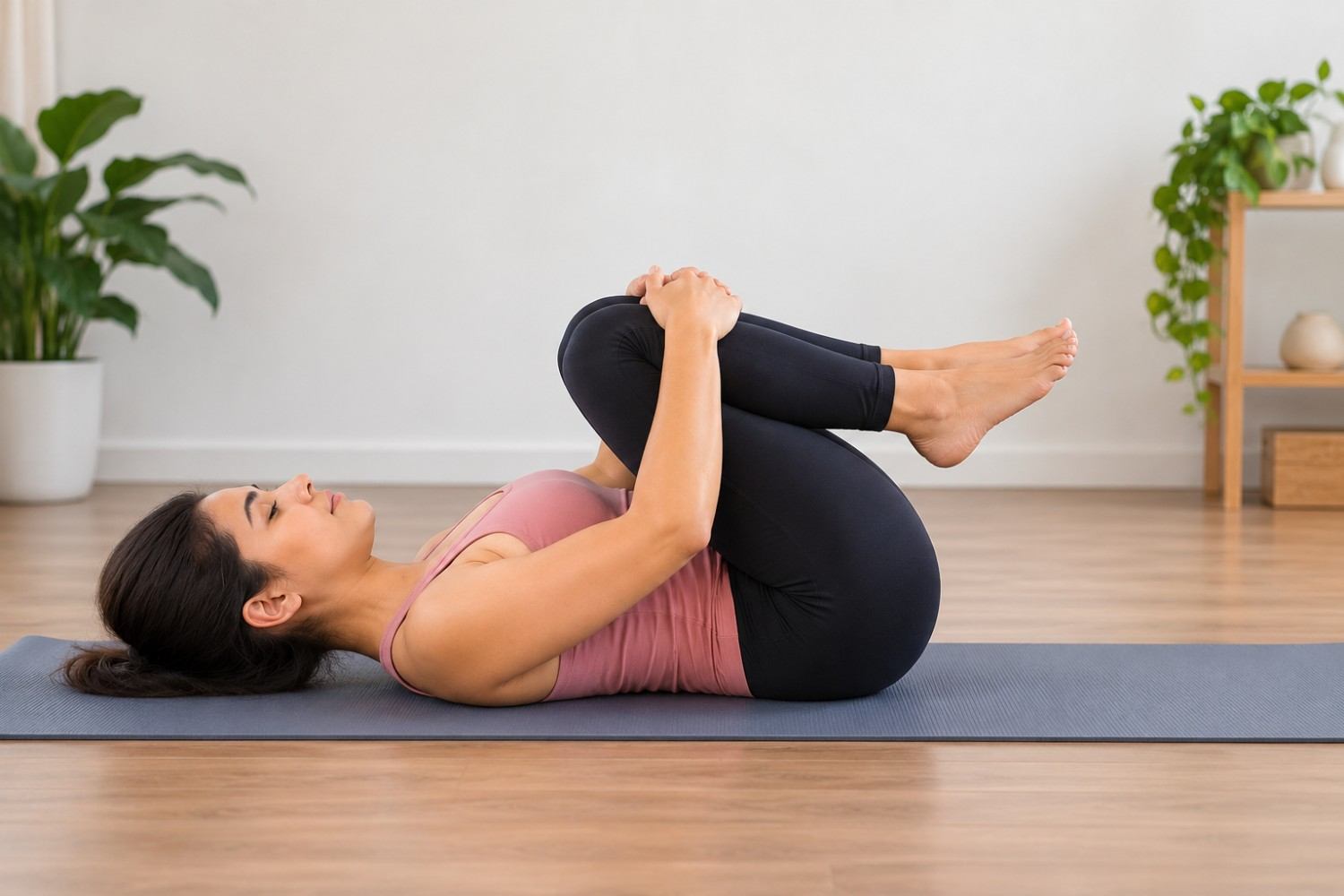
Image Source: Chatgpt
How to perform: Lie flat on your back, bend one knees, and draw knee toward your chest. Hold for 20–30 seconds, with following your breath then switch sides.
Benefits: Relieves tension in the lumbar spine and hips, enhancing flexibility, helps to get rid of gastric problem.
2. Child’s Pose (Balasana)
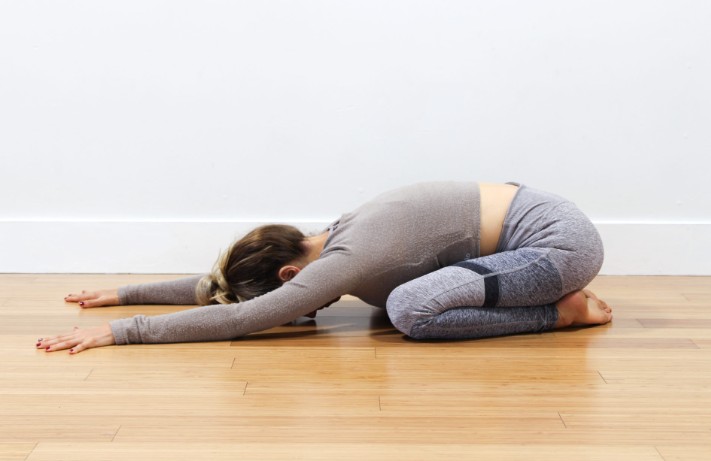
Image Source: Chatgpt
How to perform: Kneel, sit back on heels, extend arms forward or beside your body, and rest forehead on the mat. Hold for 30–60 seconds. If can’t touch forehead on the mat use a bolster or pillow.
Benefits: Provides gentle spinal traction, decompresses the lower back, and reduces stress.
3. Cat & Cow Stretch
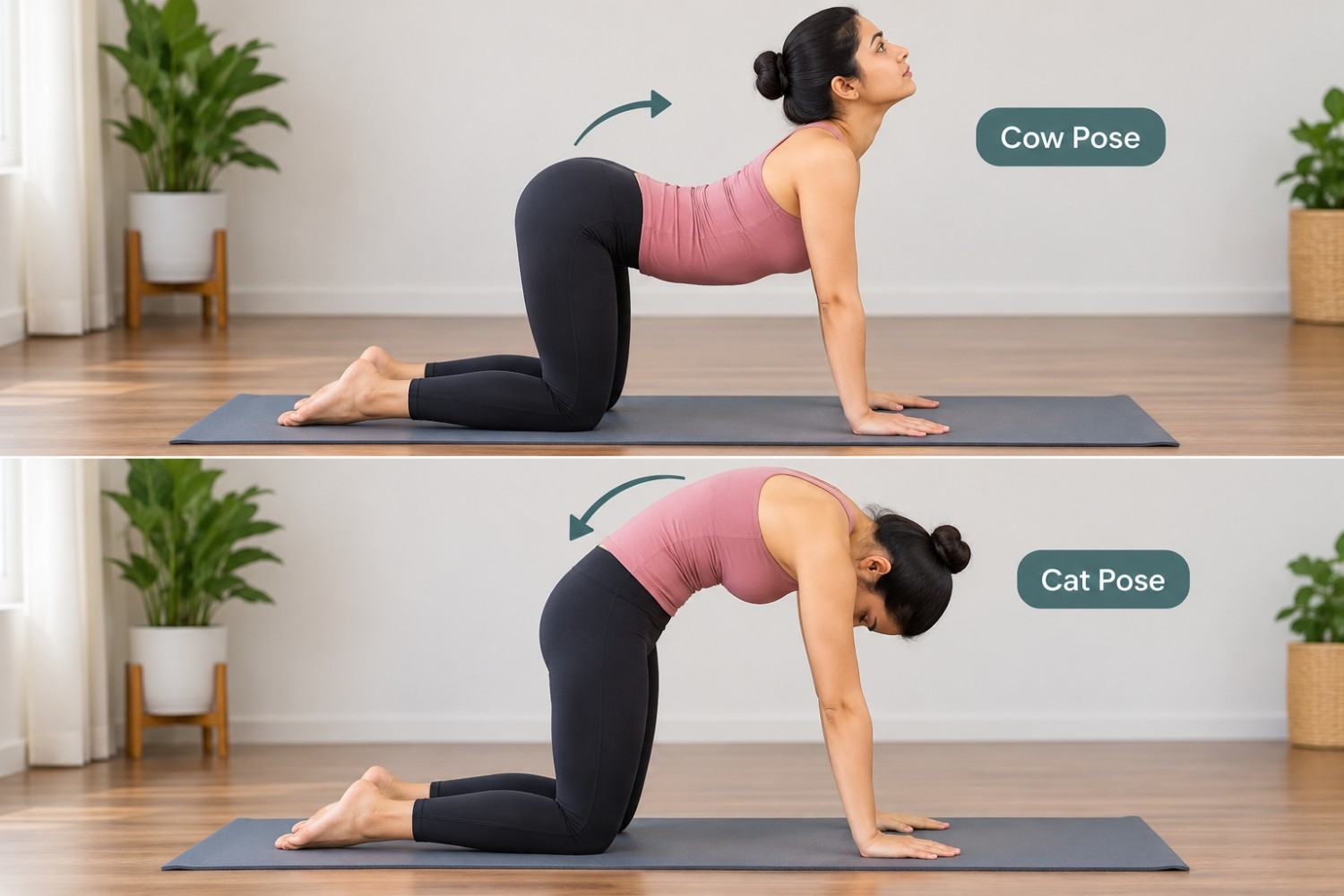
Image Source: Chatgpt
How to perform: come into table top position, inhale to arch the back (cow) and chin up, exhale to round the spine (cat) and chin down. Repeat 10–15 times.
Benefits: Improves spinal mobility and posture. Research shows dynamic spinal mobilization reduces stiffness and supports long‑term back health.
4. Supine Twist
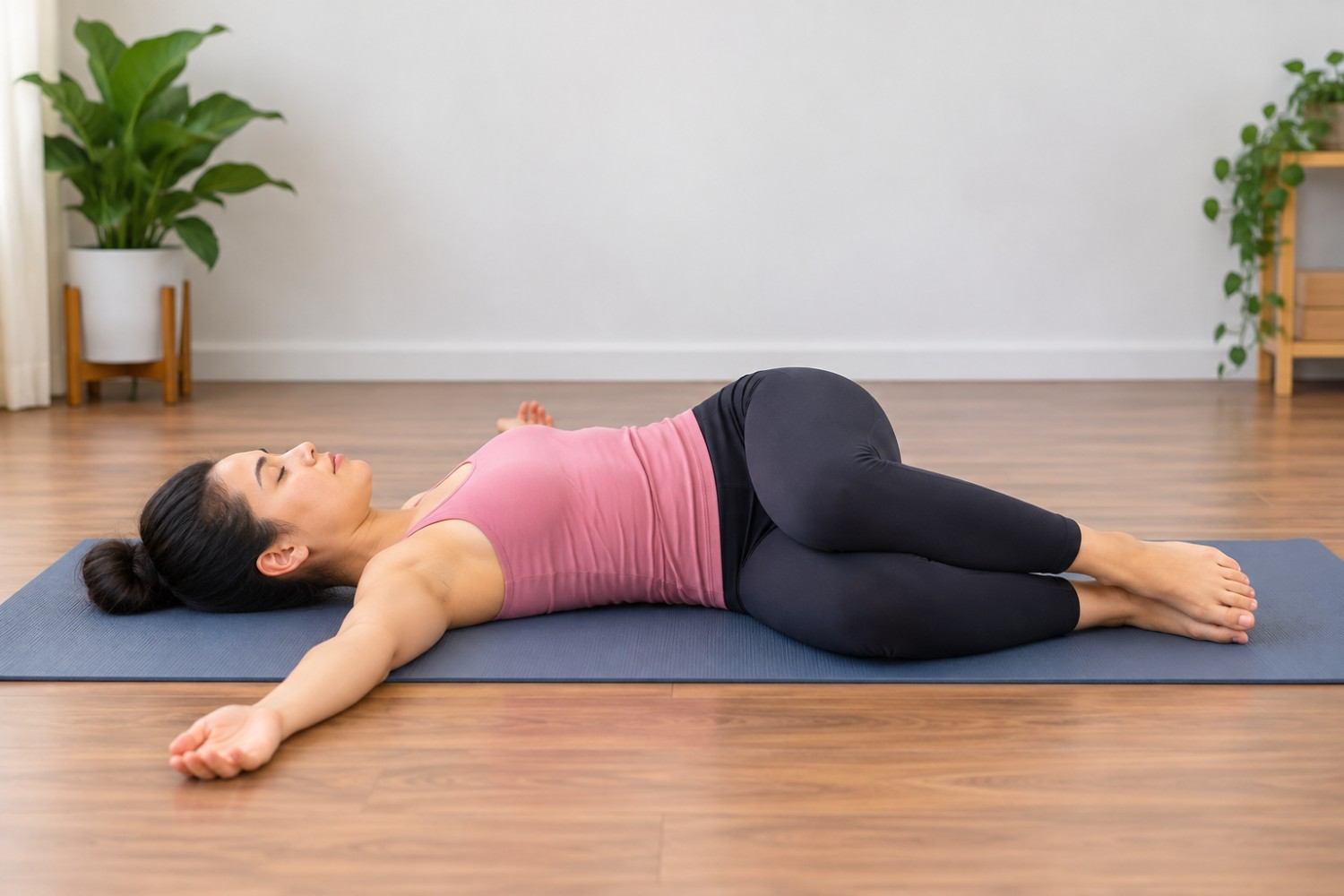
Image Source: Chatgpt
How to perform: Lie on your back in supine position then bring your hands to the shoulder line, bend both knees and press knees to the chest, exhale and drop them to one side keeping knees together. Hold for 30 seconds per side.
Benefits: Releases rotational stiffness, stretches spine and hips, and improves mobility, stimulates internal organs.
5. Hip Flexor Stretch
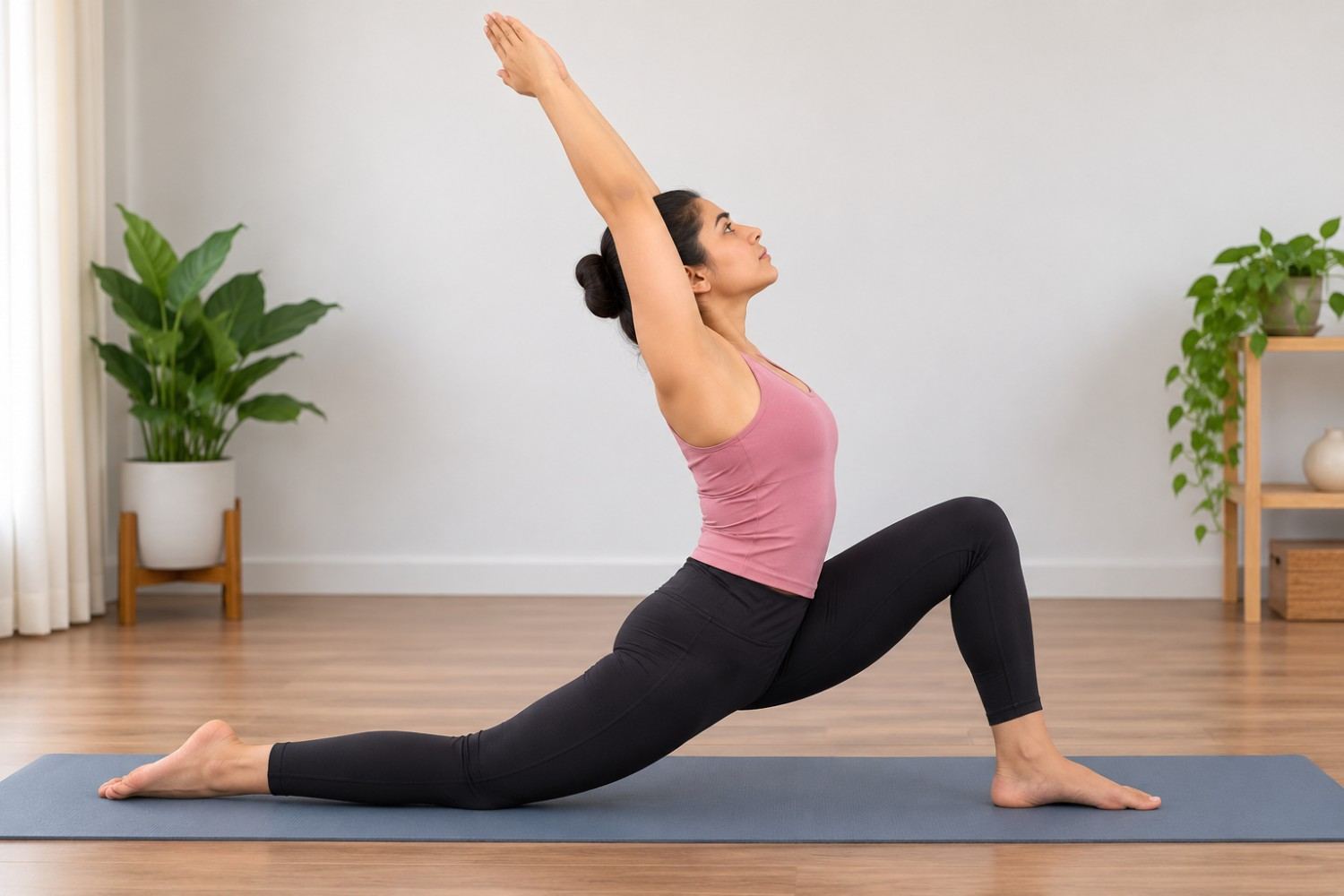
Image Source: Chatgpt
How to perform: Step into a low lunge, press hips forward, and keep chest upright, raise both hands above head and normal breathing. Hold for 20–30 seconds per side.
Benefits: improve flexibility of tight hip flexors from sitting, reducing lumbar strain, improve balance and lungs capacity.
6. Seated Forward Fold (Modified) (Paschimottanasana)
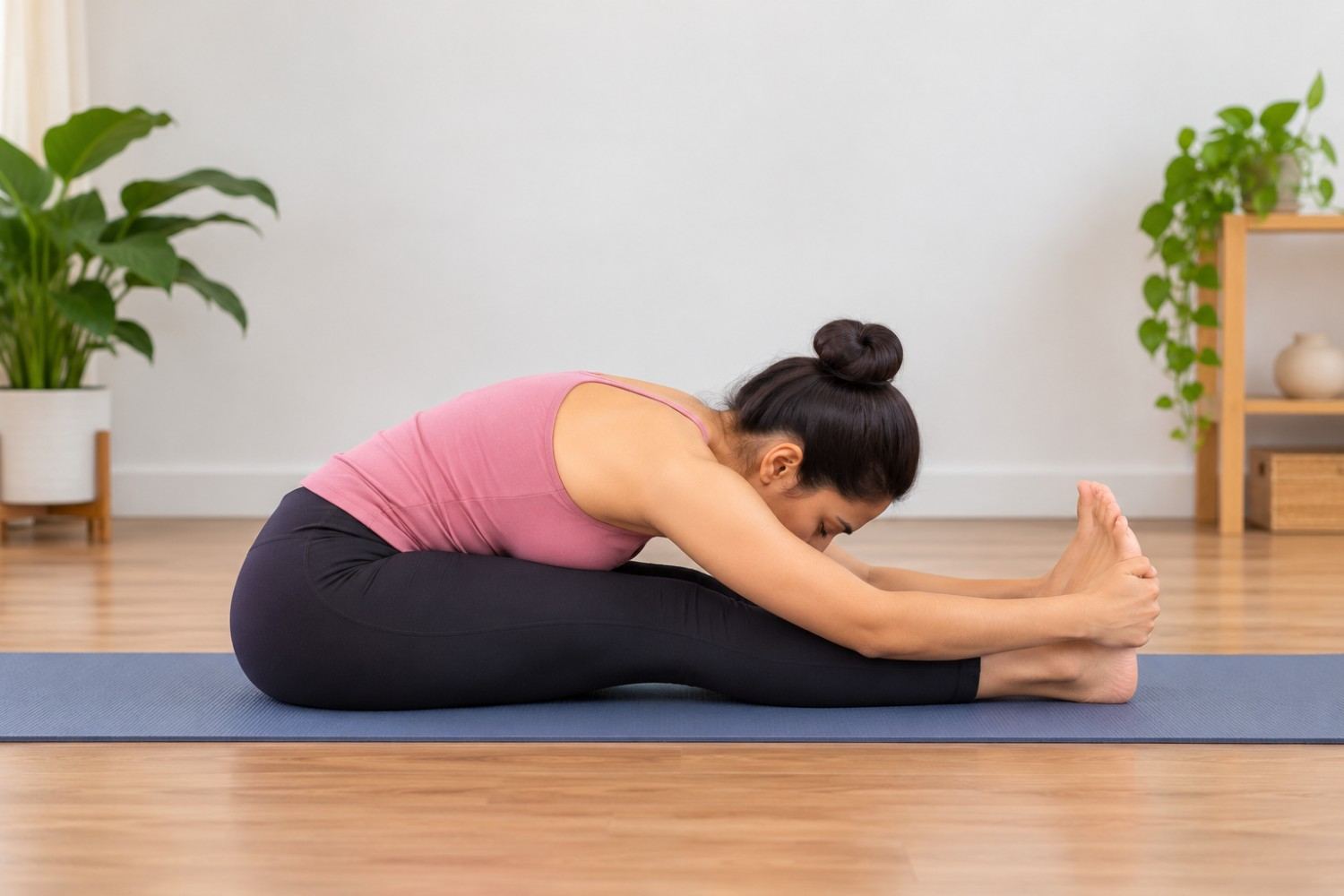
Image Source: Chatgpt
How to perform: Sit with legs extended in Dandasana, place a folded blanket or pillow under the buttock hinge forward from lower back and try to grab your toes with fingers or use a strap, keeping spine long. Hold for 20–30 seconds.
Benefits: Stretches hamstrings, relieving lumbar tightness, improve forward bend and digestion.
7. Bridge Pose (Setubandhasana)
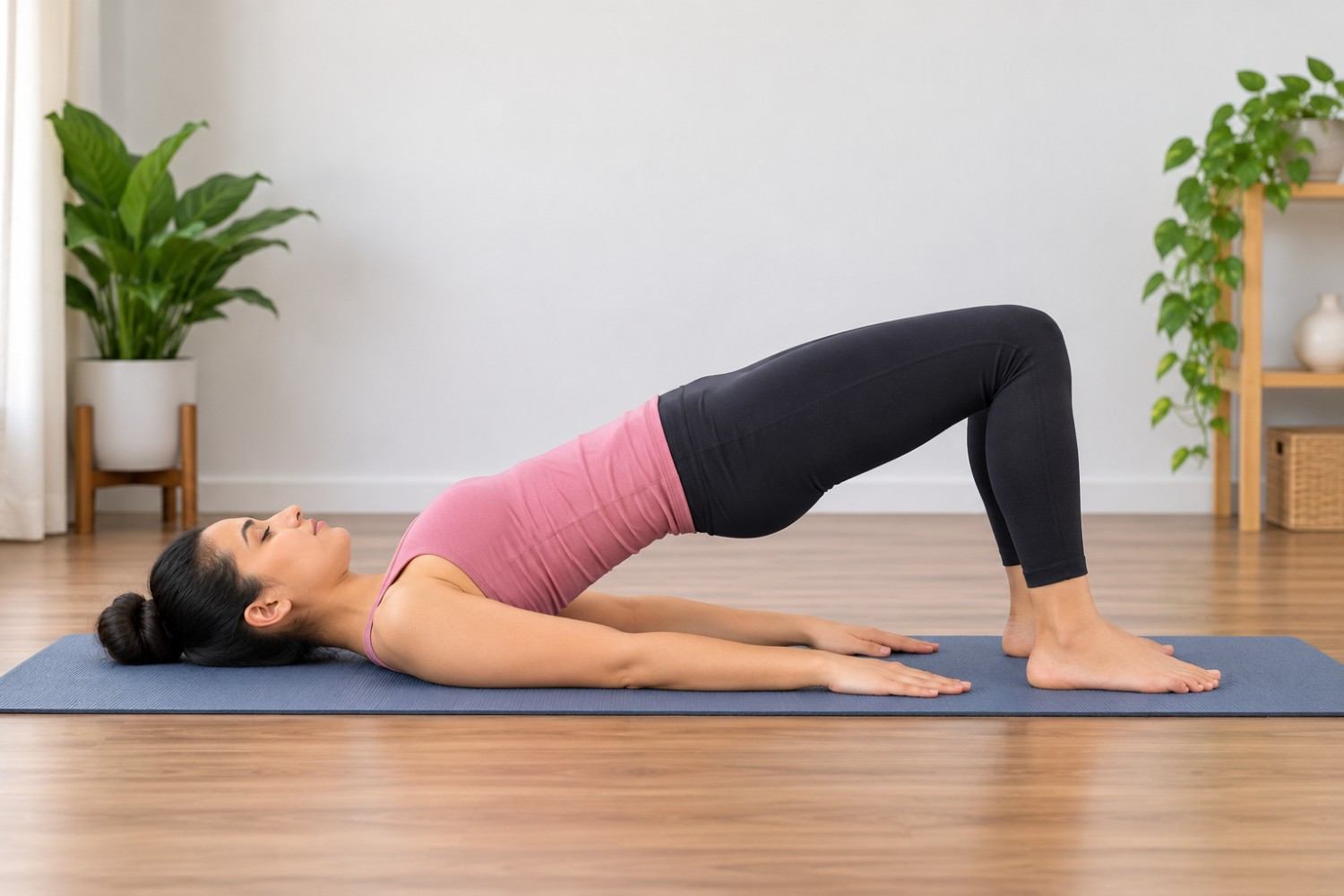
Image Source: Chatgpt
How to perform: Lie on your back in supine position, bend knees and keep your feet apart, and lift hips with support of your palms pressing on the floor while engaging glutes and core. Hold for 10–15 seconds.
Benefits: Strengthens stabilizing muscles, reducing pressure on the lower back, remove hunch from back and open the heart.
Tips for Safe Practice of Lower Back Stretches
· Consistency: Aim for 20–30 minutes daily morning or evening empty stomach.
· Listen to your body: Stretching should feel relieving, not painful, following the breath and use props whenever is needed.
· Lifestyle integration: Walking, ergonomic sitting, and core strengthening enhance results.
· Medical guidance: If pain radiates down or felling numbness in legs consult with your physician or practice first in the guidance of a yoga expert to learn the right way of practice.
Related Reads:
Conclusion
Scientific evidence supports yoga and stretching as effective, safe, and holistic approaches to managing lower back pain but still have some specific contraindications can be a reason to avoid any of the practice so better to consult with the doctor.
Regular practice not only reduces back pain but also improves emotional well‑being, inner strength and functional mobility. By integrating these stretches into your daily routine, you can build resilience, prevent stiffness, and maintain long‑term spinal health.
Frequently Asked Questions
Atul Mishra
Yoga Teacher
Atul Mishra is a yoga teacher with over 15 years of experience in teaching and yoga education. He has conducted 20+ teacher training programs and workshops across Asia and guided over 1,000 students. He specializes in Hatha, Vinyasa, Restorative Yoga, and Yoga Therapy.
LinkedIn →