Blog›Yoga
Yoga for Pain Relief: Benefits, Poses & Tips (2026 Updated)

José Luis Martínez Moreno
Wellness Content Writer & Editorial Specialist
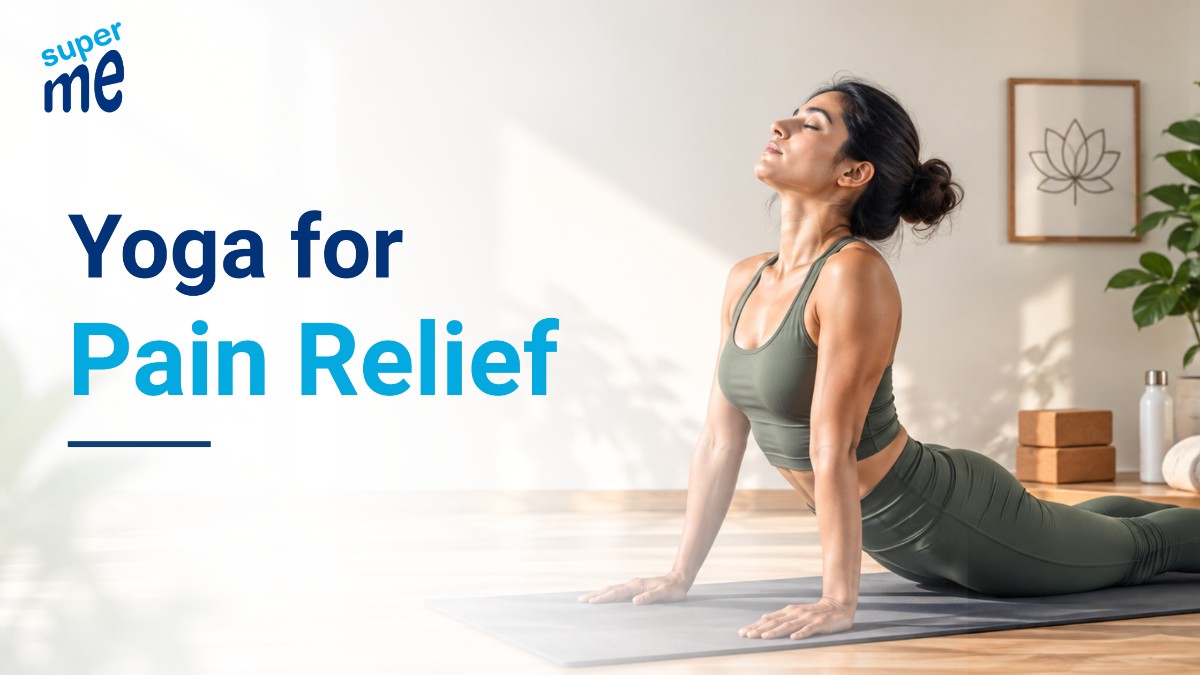
Yoga for pain relief is more than just a wellness trend. Yoga is a way which can help us to manage chronic and everyday physical discomfort like lower back tightness, neck tension and joint stiffness.
If you are looking for a low-impact way to manage your pain and want to understand your body without doing high-intensity exercise, yoga can be helpful.
In this article, we will understand how yoga helps in pain relief, which conditions can benefit from yoga, some yoga poses for beginners and how we can build a simple routine for regular practice.
How Does Yoga Help with Physical Pain?
Yoga addresses pain through three interconnected pathways: physical, neurological, and psychological.
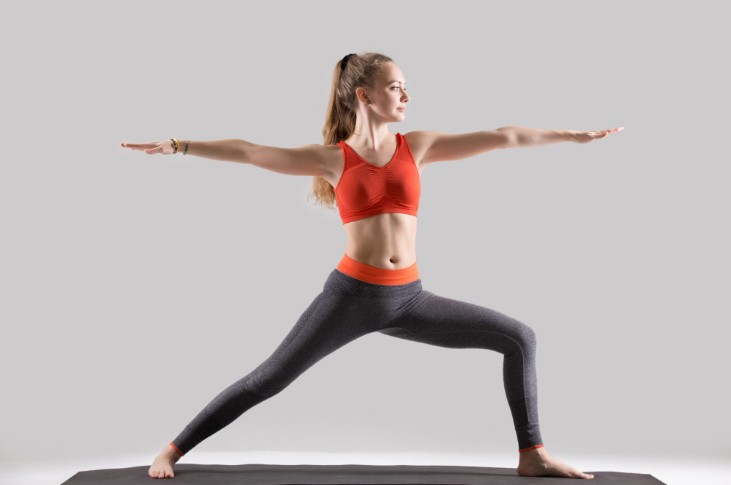
Source: The Wellness Society
• Physically, yoga stretches and strengthens muscles that support the spine, hips, and joints. Tight hamstrings, weak core muscles, and poor posture are common drivers of chronic pain yoga targets all three.
• Neurologically, consistent yoga practice reduces the over-sensitization of the nervous system that develops with chronic pain. Gentle movement signals to the brain that movement is safe, breaking the fear-avoidance cycle.
• Psychologically, breathing and mindfulness elements lower cortisol levels and reduce pain catastrophizing the tendency to perceive pain as worse than it is.
Which Types of Physical Pain Does Yoga Address Best?
Yoga for pain relief shows the strongest evidence in these areas:
Lower Back Pain
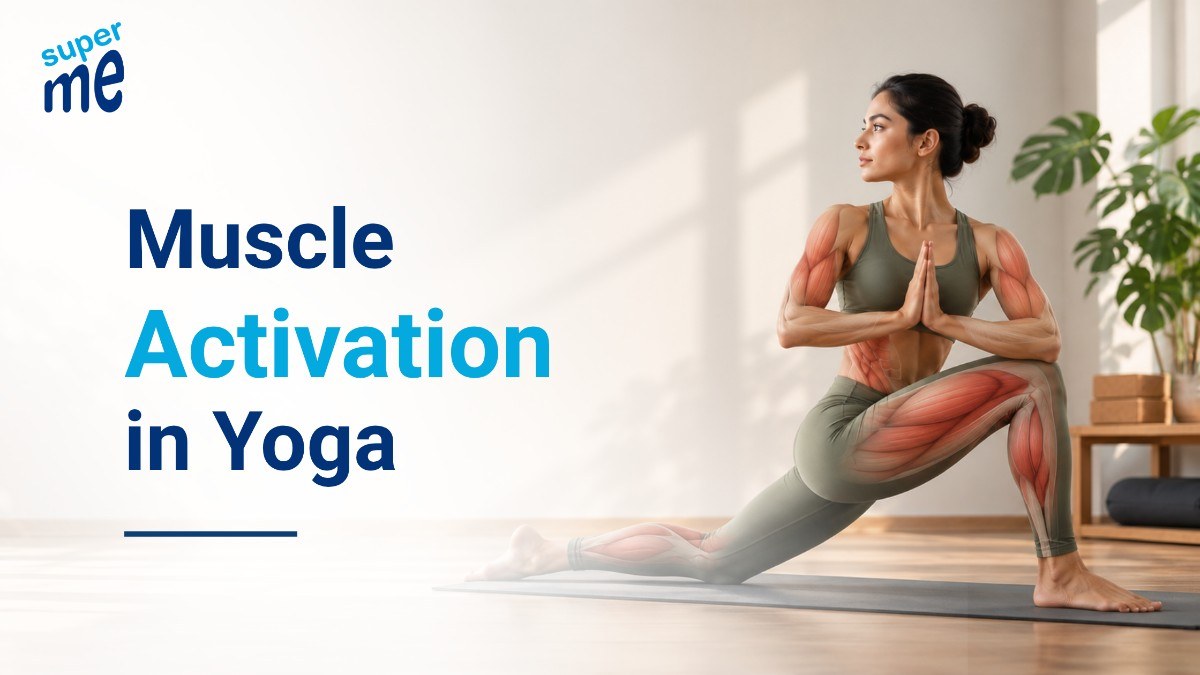
The most well-researched application. Yoga builds core and spinal strength, improves posture, and reduces muscle tension in the lumbar region. Proper muscle activation in yoga can also support controlled movement and stability. Multiple randomized controlled trials show significant improvement in pain scores and disability levels.
Neck and Upper Back Pain
A 2024 systematic review found yoga (combined with other supportive therapies) to be highly effective in reducing neck pain intensity and functional disability. Poses that target the cervical spine and upper back work particularly well.
Joint Pain and Osteoarthritis
Gentle yoga reduces joint stiffness and improves range of motion without placing high mechanical load on the joints. A 2024 meta-analysis of 8 studies on knee osteoarthritis found meaningful improvements in both pain and physical function.
Chronic Widespread Pain
Yoga's effect on the nervous system makes it useful for conditions involving generalized pain sensitivity. Its mind-body approach addresses both the physical and psychological dimensions of chronic pain.
Yoga vs. Other Pain Management Approaches: A Quick Comparison
Where does yoga fit alongside other common approaches?
Condition
Recommended Poses
Key Benefit
Lower back pain
Cat-Cow, Child's Pose, Bridge
Decompresses spine, builds core support
Neck & shoulder tension
Cat-Cow, Thread the Needle, Puppy Pose
Releases cervical tension
Hip & joint stiffness
Pigeon Pose, Seated Figure Four
Opens hip flexors, reduces joint load
General chronic pain
Restorative Yoga, Savasana, Spinal Twist
Calms nervous system, reduces sensitivity
5 Beginner Yoga Poses for Pain Relief , Step by Step
These poses are safe for beginners and address the most common pain areas. Move slowly, breathe through each position, and stop if you feel sharp or shooting pain.
1. Cat-Cow Pose (Marjaryasana-Bitilasana) , For back, neck, and spine
1. Start on all fours: hands under shoulders, knees under hips.
2. Inhale , drop your belly toward the mat, lift your head and tailbone (Cow).
3. Exhale , round your spine toward the ceiling, tuck your chin (Cat).
4. Repeat slowly for 10–15 breaths. This is your spine's best warm-up.
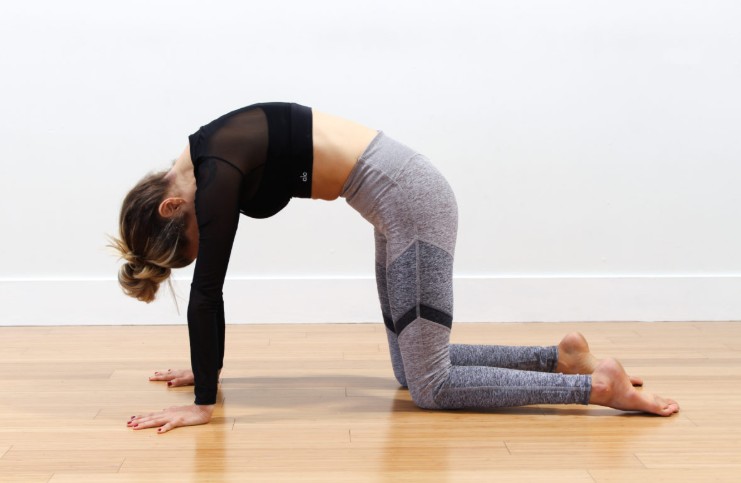
Image Source: The Yoga Collective
2. Child's Pose (Balasana) , For lower back and hips
5. From all fours, sit back onto your heels and extend your arms forward.
6. Rest your forehead on the mat and breathe deeply.
7. Hold for 30 seconds to 2 minutes. Releases tension in the lower back and hips.
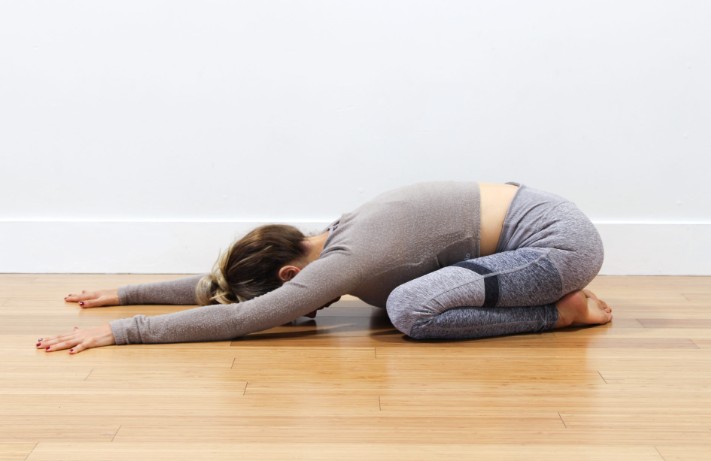
Image Source: The Yoga Collective
3. Bridge Pose (Setu Bandhasana) , For lower back and glutes
8. Lie on your back, knees bent, feet flat on the floor hip-width apart.
9. Press into your feet and lift your hips off the mat.
10. Hold for 20–30 seconds, lower slowly. Strengthens the posterior chain.
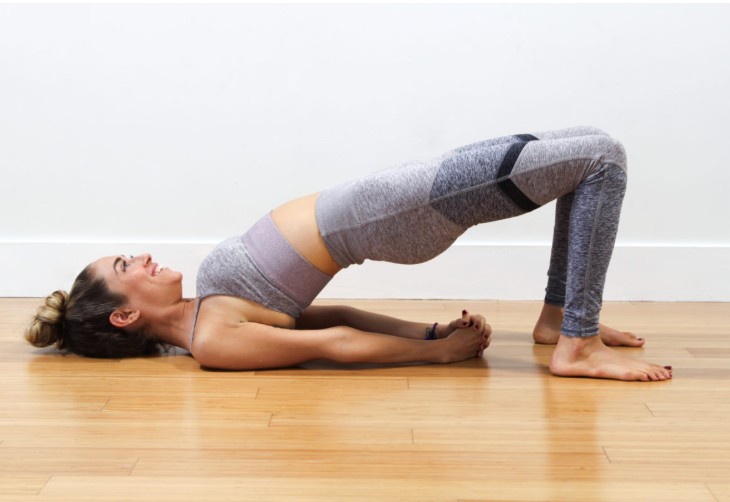
Image Source: The Yoga Collective
4. Thread the Needle , For upper back and shoulders
11. Start on all fours. Slide your right arm under your left arm, palm up.
12. Lower your right shoulder and cheek to the mat.
13. Hold for 30 seconds. Repeat on the other side. Releases thoracic tension.
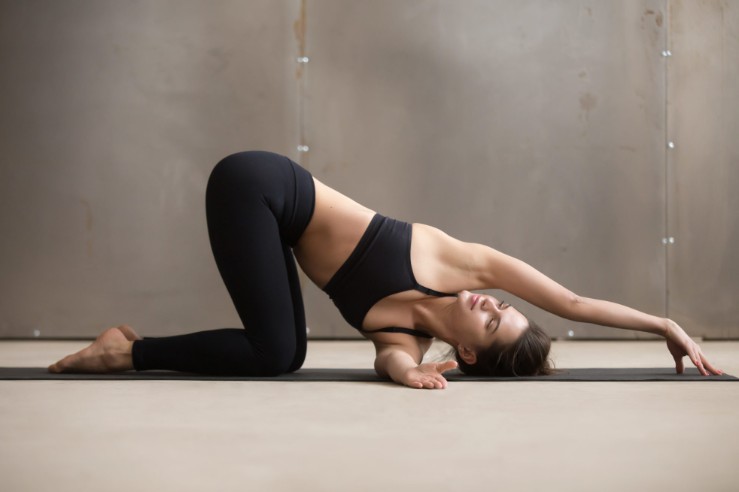
Image Source: The Yoga Collective
5. Supine Spinal Twist (Supta Matsyendrasana) , For back and hips
14. Lie on your back. Draw your right knee to your chest, then cross it over to the left.
15. Extend your right arm out and look right if comfortable.
16. Hold for 30–60 seconds, then switch sides. Restores spinal mobility.
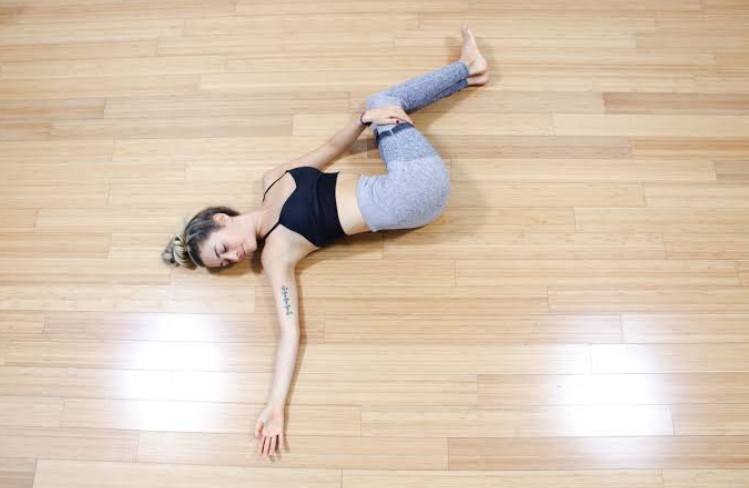
Image Source: The Yoga Collective
How to Build a Sustainable Yoga Routine for Pain Relief
The most common mistake is starting too ambitiously. Consistency beats intensity , especially when managing pain.
• Start with 10–15 minutes, 3–4 times per week. That is enough to see results.
• Focus on slow, controlled movements with attention to breath.
• Track how your pain levels feel before and after each session.
• Avoid forcing any pose , mild discomfort is normal; sharp pain is not.
• Consult your doctor or physiotherapist before starting if you have a diagnosed condition, disc issues, osteoporosis, or recent injury.
Want to Go Deeper? The MySuperMe Method
Understanding why your body is in pain is the first step to lasting relief. At MySuperMe, our approach combines evidence-based movement with coaching to help you build a sustainable wellness routine , one that works for your real life, not an idealized version of it.
• Learn how to read your body's signals and respond to them, not fight them.
• Understand the connection between stress, posture, and chronic pain.
• Build a personal movement plan guided by a coach who listens.
Whether you're dealing with ongoing discomfort or simply want to move better and feel stronger, our programmes are designed for beginners and people returning to wellness after a long gap.
Related Reads:
Key Takeaways
• Yoga for pain relief is supported by clinical research, particularly for back pain, neck pain, and joint conditions.
• It works through a combination of physical strengthening, nervous system regulation, and stress reduction.
• Beginner-friendly poses , Cat-Cow, Child's Pose, Bridge, Thread the Needle, Spinal Twist , are effective starting points.
• Consistency (3–4 times per week) matters more than duration or intensity.
• Yoga complements medical care , always check with your doctor for complex conditions.
Frequently Asked Questions
José Luis Martínez Moreno
Wellness Content Writer & Editorial Specialist
José Luis Martínez Moreno is an editorial writer and content specialist with over 25 years of experience in journalism, research, and digital content creation. He creates well-researched, SEO-focused content across wellness, lifestyle, and personal growth topics, combining editorial expertise with audience-focused storytelling.
LinkedIn →